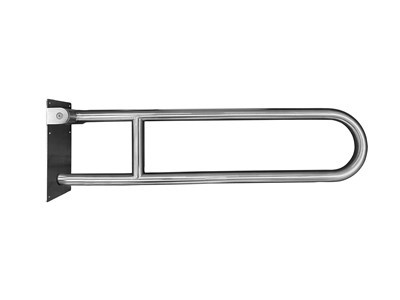
Hey there! As a supplier of Folding Grab Bars with Leg, I often get asked, "Can I install a Folding Grab Bar with Leg on tile?" Well, let's dive right into this topic and find out.
First off, let's talk about why someone might want to install a folding grab bar with leg on tile. Tiles are a popular choice for bathrooms and other areas where grab bars are commonly needed. They're easy to clean, look great, and can withstand moisture. And a folding grab bar with leg offers extra support and stability, especially for those who might have trouble standing or sitting. It can be folded up when not in use, which is super handy for saving space.
Now, the big question: is it possible to install a Folding Grab Bar with Leg on tile? The short answer is yes, but there are some important things to keep in mind.
Assessing the Tile
The first step is to assess the type of tile you have. Not all tiles are created equal. Some are thicker and more durable, while others are thinner and more prone to cracking. Porcelain and ceramic tiles are generally good candidates for grab bar installation because they're relatively strong. However, if you have glass or mosaic tiles, you might run into some issues. These types of tiles are more fragile and may crack under the pressure of the grab bar installation.
You also need to check the condition of the tile. If the tile is already cracked, loose, or damaged, it's not a good idea to install a grab bar on it. The grab bar needs a solid and stable surface to be properly secured. If the tile is in poor condition, it could cause the grab bar to become loose over time, which is a serious safety hazard.
Choosing the Right Hardware
Once you've determined that your tile is suitable for installation, the next step is to choose the right hardware. You can't just use any old screws or anchors. For tile installation, you'll need special tile anchors. These anchors are designed to grip the tile and the wall behind it securely. There are different types of tile anchors available, such as expansion anchors and toggle bolts.
Expansion anchors work by expanding inside the hole in the tile and the wall, creating a tight fit. Toggle bolts, on the other hand, have wings that open up behind the wall, providing a strong hold. The type of anchor you choose will depend on the thickness of your tile and the type of wall behind it. It's a good idea to consult with a professional or the manufacturer of the grab bar to determine the best hardware for your specific situation.
Installation Process
Now, let's talk about the actual installation process. It's important to follow the manufacturer's instructions carefully. Here's a general overview of the steps involved:


- Mark the Location: Use a pencil to mark the location where you want to install the grab bar. Make sure it's at a comfortable height and in a position where it will provide the most support. You can use a level to ensure that the marks are straight.
- Drill the Holes: Use a tile drill bit to drill holes in the tile at the marked locations. Start with a small drill bit and gradually increase the size until it matches the size of the anchor. Be sure to use a slow speed and apply gentle pressure to avoid cracking the tile.
- Insert the Anchors: Once the holes are drilled, insert the tile anchors into the holes. Make sure they're fully seated and secure.
- Attach the Grab Bar: Align the grab bar with the holes in the tile and insert the screws through the holes in the grab bar and into the anchors. Use a screwdriver or a drill to tighten the screws, but be careful not to overtighten them, as this could damage the tile or the grab bar.
Testing the Grab Bar
After the grab bar is installed, it's important to test it to make sure it's secure. Apply some pressure to the grab bar and try to move it around. If it feels loose or wobbly, it's not properly installed. You may need to remove the grab bar and check the anchors and screws to make sure they're tightened correctly.
Other Considerations
In addition to the installation process, there are a few other things to consider when installing a Folding Grab Bar with Leg on tile.
- Weight Capacity: Make sure the grab bar you choose has a weight capacity that meets your needs. The weight capacity is usually listed on the product packaging or in the manufacturer's specifications. You don't want to install a grab bar that can't support the weight of the person using it.
- Maintenance: Regularly inspect the grab bar and the tile for any signs of damage or wear. If you notice any cracks, loose screws, or other issues, address them immediately. You can also clean the grab bar and the tile regularly to keep them looking good and functioning properly.
Related Products
If you're interested in other types of grab bars, we also offer Wall To Floor Grab Bar and Curved Bathroom Grab Bars. These grab bars are designed to provide additional support and stability in different areas of the bathroom. You can check out our Folding Grab Bar page for more information on our full range of products.
Conclusion
So, to answer the question, "Can I install a Folding Grab Bar with Leg on tile?" Yes, you can, but it requires careful planning, the right hardware, and proper installation techniques. If you're not comfortable installing the grab bar yourself, it's always a good idea to hire a professional. At our company, we're here to help you with all your grab bar needs. Whether you have questions about installation, need advice on choosing the right product, or are ready to place an order, we're just a message away. Contact us today to start the conversation and let's work together to make your space safer and more accessible.
References
- Manufacturer's instructions for Folding Grab Bars with Leg
- Tile installation guides and resources
- Safety standards and regulations for grab bars