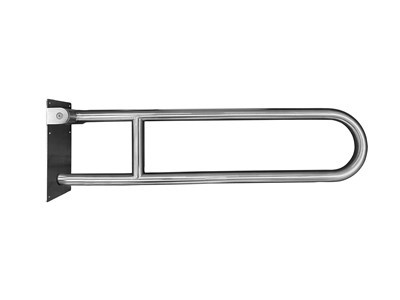
As a supplier of Wall To Floor Grab Bars, I often get asked by customers whether they can install these grab bars on their own. The answer isn't a simple yes or no; it depends on several factors, including your DIY skills, the type of wall and floor you have, and the specific grab bar you've purchased. In this article, I'll guide you through the process, highlight the considerations, and help you decide if a self - installation is right for you.
Understanding Wall To Floor Grab Bars
Wall To Floor Grab Bars Wall To Floor Grab Bar are an essential safety feature, especially in areas like bathrooms. They provide support for people with limited mobility, the elderly, or those recovering from an injury. These grab bars are installed from the wall to the floor, creating a sturdy support structure that can withstand significant weight.
There are different types of Wall To Floor Grab Bars available in the market. Some are adjustable in length, which allows for a more customized fit in various spaces. Others come with additional features like folding mechanisms. For instance, the Folding Grab Bar with Leg Folding Grab Bar with Leg can be folded when not in use, saving space. And the Folding Grab Bar Folding Grab Bar offers a similar space - saving solution.
Factors to Consider Before Self - Installation
Your DIY Skills
If you have experience with basic home improvement tasks such as hanging shelves or installing curtain rods, you might have the fundamental skills required to install a Wall To Floor Grab Bar. However, installing a grab bar is not just about screwing something into the wall. You need to ensure that it is securely attached to support the weight of a person. If you're not confident in your ability to use tools like drills and levels accurately, it might be best to hire a professional.
Wall and Floor Material
The type of wall and floor material in your space plays a crucial role in the installation process. For example, if you have drywall, you'll need to locate the wall studs to attach the grab bar securely. Drywall alone is not strong enough to hold the weight. On the other hand, concrete or brick walls require special masonry bits for drilling. Similarly, the floor material, whether it's tile, wood, or vinyl, will determine the type of fasteners you need to use.
Building Codes and Regulations
Before you start the installation, it's important to check the local building codes and regulations regarding grab bar installation. These codes are in place to ensure the safety of the users. Some areas may have specific requirements for the height, spacing, and weight - bearing capacity of grab bars. Failing to comply with these regulations could not only pose a safety risk but also lead to legal issues.
Tools and Materials Needed for Installation
Tools
- Drill: A power drill is essential for making holes in the wall and floor. Make sure to choose the appropriate drill bits based on your wall and floor material.
- Level: A level will help you ensure that the grab bar is installed straight. This is important for both the aesthetic appeal and the functionality of the grab bar.
- Screwdriver: You'll need a screwdriver to tighten the screws that attach the grab bar to the wall and floor.
- Measuring Tape: Accurate measurements are crucial for a proper installation. Use a measuring tape to determine the correct placement of the grab bar.
Materials
- Wall To Floor Grab Bar: Of course, you'll need the grab bar itself. Make sure to choose a high - quality grab bar that meets your needs and the local building codes.
- Fasteners: The type of fasteners you need will depend on your wall and floor material. For drywall, you might use toggle bolts or wall anchors. For concrete or brick, you'll need masonry screws.
- Washers: Washers can help distribute the weight evenly and prevent the screws from pulling through the material.
Step - by - Step Installation Guide
Step 1: Plan the Placement
Use a measuring tape and a level to mark the location where you want to install the grab bar. Make sure to follow the local building codes regarding the height and spacing of the grab bar. It's also a good idea to test the placement by standing in the area and reaching for the marked spots to ensure that they are within easy reach.
Step 2: Prepare the Wall and Floor
If you're working with drywall, use a stud finder to locate the wall studs. Mark the spots where you'll drill the holes. If you're dealing with concrete or brick, use a masonry bit to drill pilot holes. On the floor, clean the area where the grab bar will be attached and mark the drill holes.
Step 3: Install the Wall Mounting Brackets
Insert the fasteners into the drill holes in the wall and attach the wall mounting brackets. Use a level to make sure the brackets are straight, and then tighten the screws.
Step 4: Install the Floor Mounting Bracket
Repeat the process for the floor mounting bracket. Make sure it is securely attached to the floor.


Step 5: Attach the Grab Bar
Once the wall and floor mounting brackets are installed, attach the grab bar to the brackets. Tighten the screws to ensure a secure connection.
Step 6: Test the Grab Bar
After the installation is complete, test the grab bar by applying some pressure to it. Make sure it is stable and can support your weight. If you notice any movement or instability, re - check the installation and tighten the screws if necessary.
Advantages and Disadvantages of Self - Installation
Advantages
- Cost - Savings: One of the biggest advantages of self - installation is the cost savings. Hiring a professional can be expensive, and by doing it yourself, you can save a significant amount of money.
- Sense of Accomplishment: Completing a DIY project can give you a great sense of accomplishment. You'll be able to say that you installed the grab bar yourself and made your space safer.
Disadvantages
- Safety Risks: If the grab bar is not installed correctly, it can pose a serious safety risk. A poorly installed grab bar may not be able to support the weight of a person, leading to falls and injuries.
- Time - Consuming: Installation can be time - consuming, especially if you're not familiar with the process. You may need to spend extra time researching, gathering tools and materials, and troubleshooting any issues that arise.
When to Hire a Professional
If you're unsure about your DIY skills, the wall and floor material, or the local building codes, it's best to hire a professional. A professional installer has the experience and knowledge to ensure that the grab bar is installed correctly and safely. They also have access to specialized tools and can handle any unexpected issues that may arise during the installation process.
Conclusion
So, can you install a Wall To Floor Grab Bar by yourself? The answer is yes, if you have the necessary skills, tools, and knowledge. However, it's important to carefully consider all the factors involved and make an informed decision. If you're still unsure, it's always better to err on the side of caution and hire a professional.
If you're interested in purchasing a high - quality Wall To Floor Grab Bar or have any questions about installation, please feel free to contact us. We're here to help you make your space safer and more accessible.
References
- Home Improvement Handbook. A comprehensive guide to various home improvement tasks, including grab bar installation.
- Local Building Codes and Regulations. Available from your local building department.