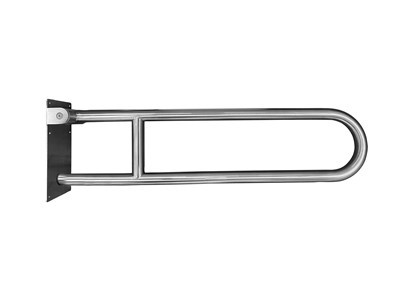
In the realm of bathroom safety, wall - to - floor grab bars have emerged as an essential fixture, especially in wet environments such as bathrooms and showers. As a prominent supplier of wall - to - floor grab bars, I often encounter a crucial question from customers: Do wall - to - floor grab bars need to be grounded in a wet environment? This blog aims to delve into this topic, exploring the science behind it and providing a comprehensive answer.
Understanding the Basics of Grounding
Before we discuss whether wall - to - floor grab bars need grounding, it's important to understand what grounding is and why it matters. Grounding is a safety measure that provides a direct path for electrical current to flow into the earth in the event of an electrical fault. In a home electrical system, grounding helps prevent electrical shocks by redirecting excess current away from people and equipment.
The primary purpose of grounding is to protect against electrical malfunctions that could lead to dangerous situations. For example, if a live wire comes into contact with a metal object, grounding ensures that the current is safely diverted to the ground, rather than passing through a person who touches the object.
Wall - to - Floor Grab Bars in a Wet Environment
Wall - to - floor grab bars are typically installed in bathrooms, showers, and other wet areas where the risk of slips and falls is high. These grab bars are made of various materials, including stainless steel, aluminum, and plastic - coated metals. In a wet environment, the presence of water can increase the conductivity of electrical current, making the risk of electrical shock more significant.
The concern about grounding wall - to - floor grab bars stems from the potential for electrical faults. If an electrical appliance in the bathroom malfunctions and comes into contact with the grab bar, there is a risk that the grab bar could become electrified. In such a scenario, a person using the grab bar could receive an electrical shock.
Factors to Consider
Material of the Grab Bar
The material of the grab bar plays a crucial role in determining whether grounding is necessary. Conductive materials such as stainless steel and aluminum can carry electrical current, while non - conductive materials like plastic do not. If a grab bar is made of a conductive material, there is a higher risk of electrical shock in the event of an electrical fault.
For example, stainless steel is a common material for Straight Bathroom Grab Bar. It is strong, durable, and resistant to corrosion, but it is also a good conductor of electricity. In contrast, a plastic - coated grab bar may provide some insulation, reducing the risk of electrical shock.
Electrical System in the Bathroom
The electrical system in the bathroom also affects the need for grounding. Modern bathrooms are equipped with Ground Fault Circuit Interrupters (GFCIs), which are designed to detect imbalances in electrical current and shut off the power to prevent electrical shock. If the bathroom has a properly functioning GFCI, it can provide an additional layer of protection.
However, GFCIs are not foolproof. In some cases, a GFCI may not detect a fault quickly enough, or it may malfunction. Therefore, relying solely on a GFCI may not be sufficient to ensure safety.
Local Electrical Codes
Local electrical codes vary from region to region and can have a significant impact on whether wall - to - floor grab bars need to be grounded. Some areas may require all metal fixtures in wet areas to be grounded, while others may have more lenient requirements. It is essential to consult local electrical codes before installing a wall - to - floor grab bar to ensure compliance.
Scientific Analysis
From a scientific perspective, grounding a wall - to - floor grab bar can reduce the risk of electrical shock. When a grab bar is grounded, it provides a low - resistance path for electrical current to flow into the ground. In the event of an electrical fault, the current will follow this path rather than passing through a person using the grab bar.
However, the effectiveness of grounding depends on several factors, including the quality of the grounding connection and the resistance of the grounding path. A poor grounding connection or a high - resistance grounding path may not provide adequate protection.
Case Studies
Let's look at some real - world examples to illustrate the importance of grounding in wet environments. In a case where a bathroom electrical outlet malfunctioned and came into contact with a metal grab bar, a person using the grab bar received a mild electrical shock. The grab bar was not grounded, and the electrical current passed through the person's body.
In another case, a bathroom with a properly grounded grab bar experienced an electrical fault. The grounding system redirected the electrical current safely to the ground, preventing any harm to the users. These case studies highlight the potential benefits of grounding wall - to - floor grab bars.
Alternatives to Grounding
If grounding a wall - to - floor grab bar is not feasible or required by local codes, there are alternative safety measures that can be taken. One option is to use non - conductive grab bars, such as those made of plastic or composite materials. These grab bars do not conduct electricity, reducing the risk of electrical shock.
Another alternative is to install additional GFCIs in the bathroom. Multiple GFCIs can provide redundant protection and increase the likelihood of detecting an electrical fault. Additionally, regular maintenance and inspection of the electrical system in the bathroom can help identify and address potential issues before they become dangerous.


Our Product Range
As a supplier of wall - to - floor grab bars, we offer a wide range of products to meet different needs and preferences. Our Folding Grab Bar with Leg is a popular choice for bathrooms with limited space. It can be folded up when not in use, providing easy access to the area.
We also provide Curved Bathroom Grab Bars, which are designed to fit the contours of the body and provide a more comfortable grip. These grab bars are available in various sizes and finishes to match the decor of any bathroom.
Conclusion
In conclusion, the question of whether wall - to - floor grab bars need to be grounded in a wet environment is not a straightforward one. It depends on several factors, including the material of the grab bar, the electrical system in the bathroom, and local electrical codes. While grounding can provide an additional layer of safety, it is not always necessary or feasible.
If you are considering installing a wall - to - floor grab bar in your bathroom, it is important to consult with a qualified electrician or contractor. They can assess your specific situation and recommend the best course of action. Whether you choose to ground your grab bar or opt for alternative safety measures, the most important thing is to ensure the safety of yourself and your family.
If you are interested in our wall - to - floor grab bar products or have any questions about grounding or safety, please feel free to contact us. We are here to assist you in making the right choice for your bathroom safety needs.
References
- National Electrical Code (NEC)
- Electrical Safety Foundation International (ESFI)
- American Society of Safety Professionals (ASSP)