Hey there! As a supplier of plastic soap dispensers, I often get asked this question: "How long does a plastic soap dispenser last?" Well, it's not a one - size - fits - all answer, and there are quite a few factors that come into play. Let's dive right in and explore this topic together.
Material Quality
First off, the quality of the plastic used in the soap dispenser is a huge deal. There are different grades of plastic out there. Cheaper dispensers are usually made from low - grade plastics. These plastics might be more brittle and prone to cracking or breaking. They can start to show signs of wear and tear in as little as a few months, especially if they're in a high - traffic area.
On the other hand, high - quality plastics, like polypropylene or polyethylene, are much more durable. These plastics are resistant to impact, chemicals, and environmental factors. A soap dispenser made from high - quality plastic can last for several years, even with regular use. For example, if you're using a Plastic Bathroom Soap Dispenser made from good - quality plastic in your home bathroom, it could easily serve you well for 3 - 5 years.

Usage Frequency
How often the soap dispenser is used also plays a big role. In a commercial setting, like a restaurant or a public restroom, the dispenser is going to get used a lot more frequently than in a private home. In a busy restaurant, where dozens or even hundreds of people might wash their hands every day, a plastic soap dispenser might start to wear out within a year. The constant pushing of the pump and the movement of the soap through the dispenser can take a toll on the plastic over time.
In a home environment, where the usage is much lower, say a family of four using the dispenser a few times a day, it can last much longer. You might not need to replace it for 2 - 3 years, depending on the quality of the dispenser.
Environmental Conditions
The environment where the soap dispenser is placed can have a significant impact on its lifespan. If it's in a bathroom, exposure to moisture and humidity can cause the plastic to degrade over time. Mold and mildew can also grow on the dispenser, which not only looks bad but can also weaken the plastic. In addition, if the bathroom is very hot or cold, the plastic can expand and contract, leading to cracks.
On the other hand, if the dispenser is placed in a dry area, like a kitchen countertop, it will generally last longer. The lack of excessive moisture means less risk of degradation and mold growth.
Design and Construction
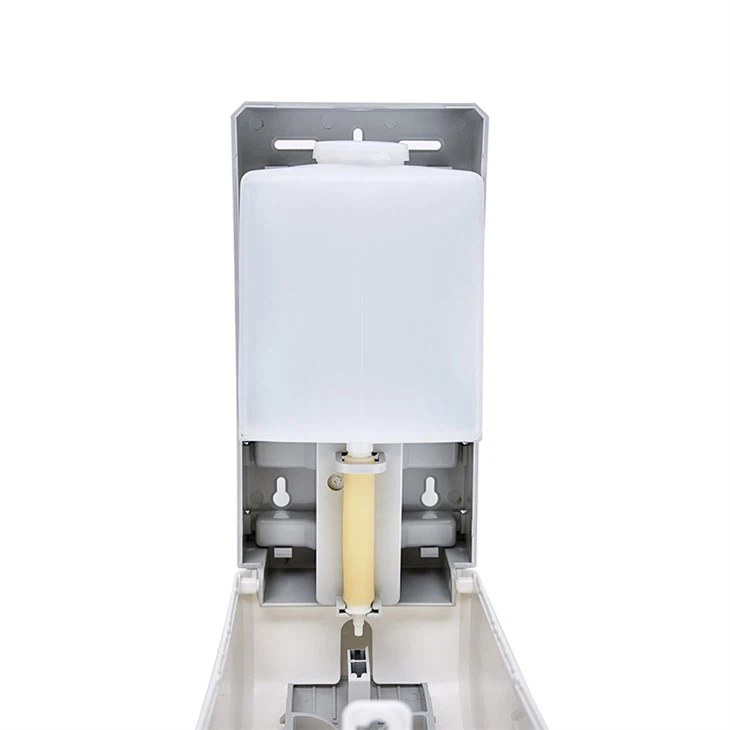
The design and construction of the soap dispenser are also important. A well - designed dispenser with a sturdy pump mechanism and a tight - fitting lid is going to last longer. Some dispensers have a simple, one - piece design, which can be more durable than those with multiple parts that can come loose or break.
For example, a dispenser with a screw - on lid is less likely to leak than one with a snap - on lid. And a pump that is made from high - quality materials and has a smooth operation will be less likely to jam or break down.
Maintenance
Proper maintenance can significantly extend the life of a plastic soap dispenser. Regularly cleaning the dispenser helps prevent the build - up of soap residue and bacteria. You can use a mild soap and water solution to clean the outside of the dispenser, and make sure to rinse it thoroughly.
If the dispenser has a removable pump, you can also clean it separately to ensure smooth operation. Also, checking for any signs of damage, like cracks or leaks, and addressing them early can prevent further damage and extend the life of the dispenser.
Comparing Different Types of Plastic Soap Dispensers
There are different types of plastic soap dispensers on the market, and their lifespans can vary.
Wall - Mounted Dispensers
Wall - mounted plastic soap dispensers are often used in commercial settings. They are usually more durable because they are securely attached to the wall and are less likely to be knocked over. However, the mounting hardware can sometimes loosen over time, especially in a high - traffic area. If the dispenser is well - made and properly installed, it can last for 2 - 3 years in a commercial setting and even longer in a home.
Countertop Dispensers
Countertop dispensers are more common in home settings. They are more prone to being knocked around, which can cause damage. But if they are made from good - quality plastic and are handled carefully, they can last for a few years. The pump mechanism on countertop dispensers might need to be replaced more often than on wall - mounted ones, especially if it's used frequently.
Tips to Extend the Life of Your Plastic Soap Dispenser
- Choose the Right Location: Place the dispenser in a dry area away from direct sunlight and excessive moisture.
- Use the Right Soap: Some soaps can be more corrosive to plastic than others. Using a mild, non - abrasive soap can help prevent damage to the dispenser.
- Clean Regularly: As mentioned earlier, regular cleaning helps keep the dispenser in good condition.
- Handle with Care: Avoid dropping or knocking the dispenser around, as this can cause cracks or damage to the pump mechanism.
Conclusion
So, how long does a plastic soap dispenser last? It really depends on a variety of factors, including material quality, usage frequency, environmental conditions, design, construction, and maintenance. On average, a good - quality plastic soap dispenser in a home setting can last 2 - 5 years, while in a commercial setting, it might last 1 - 3 years.
If you're in the market for a plastic soap dispenser, whether it's for your home or a commercial space, we've got you covered. We offer a wide range of Plastic Bathroom Soap Dispensers made from high - quality plastics with different designs and features to meet your needs.
If you're interested in learning more about our products or want to discuss a bulk purchase for your business, feel free to reach out. We're always happy to help you find the perfect soap dispenser for your requirements.
References
- "Plastic Materials and Their Properties" - A textbook on the characteristics of different plastics.
- Industry reports on the lifespan of plastic products in commercial and residential settings.