Hey there! As a supplier of Automatic Tap Hand Dryers, I often get asked about how much power these nifty devices consume. It's a valid question, especially considering that energy efficiency is a big deal these days. So, let's dive right into it and break down the power consumption of Automatic Tap Hand Dryers.
Understanding Automatic Tap Hand Dryers
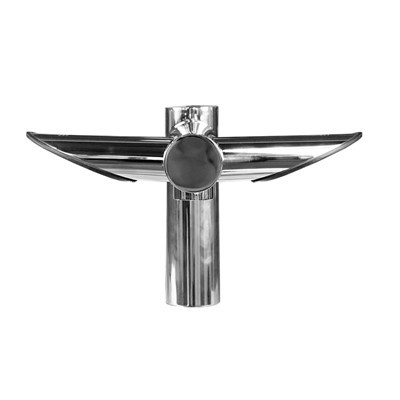
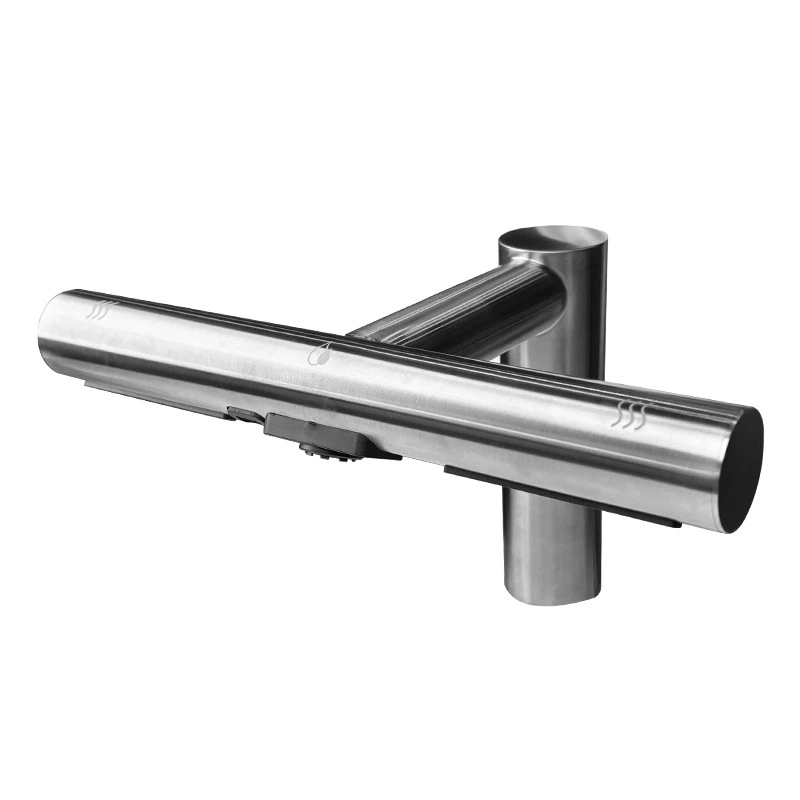
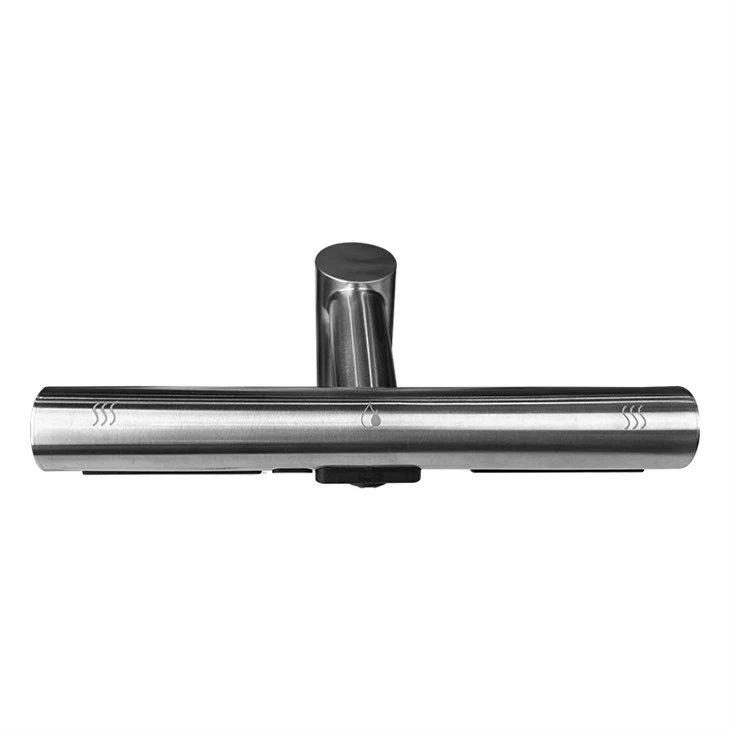
First things first, let's talk about what Automatic Tap Hand Dryers are. These are innovative devices that combine a faucet and a hand dryer in one unit. You'll typically find them in public restrooms, commercial kitchens, and other high - traffic areas. They offer a touchless experience, which is not only convenient but also hygienic.
There are different types of these dryers, like the Touchless 2 in 1 Tap Hand Dryer. As the name suggests, it provides a completely touchless operation, making it a popular choice for places where preventing the spread of germs is crucial. There's also the Efficient 2 in 1 Tap Hand Dryer, which is designed with energy efficiency in mind. And then we have the Combined Tap Hand Dryer, which combines the functions of a tap and a dryer seamlessly.
Factors Affecting Power Consumption
The power consumption of an Automatic Tap Hand Dryer can vary quite a bit, depending on several factors.
1. Motor Power
The motor is the heart of the hand - drying function. Higher - powered motors can dry your hands faster, but they also use more electricity. For example, a hand dryer with a 1800 - watt motor will consume more power than one with a 1200 - watt motor during the same drying time. However, the higher - powered one might get the job done in half the time, so it's not always a straightforward comparison.
2. Drying Time
The time it takes to dry your hands is another major factor. Some automatic tap hand dryers are designed to dry hands in as little as 10 - 15 seconds, while others might take 30 seconds or more. A shorter drying time generally means less overall power consumption, even if the motor power is relatively high.
3. Frequency of Use
How often the hand dryer is used also affects power consumption. In a busy public restroom, the dryer might be in use dozens or even hundreds of times a day. In a less - used facility, like a small office restroom, the usage will be much lower. Obviously, more frequent use will lead to higher overall power consumption.
4. Sensor Sensitivity
Automatic tap hand dryers use sensors to detect when hands are present. If the sensors are overly sensitive, they might activate the dryer when it's not really needed, causing unnecessary power consumption. On the other hand, if they're not sensitive enough, users might have to wave their hands around a lot to get the dryer to work, which can also increase power usage due to longer drying cycles.
Calculating Power Consumption
Let's get into the nitty - gritty of calculating power consumption. Power is measured in watts (W), and the energy consumption is measured in watt - hours (Wh) or kilowatt - hours (kWh).
The formula for calculating energy consumption is:
Energy (Wh)=Power (W)×Time (h)
For example, if you have an Automatic Tap Hand Dryer with a 1500 - watt motor and it runs for 0.005 hours (which is 18 seconds, in case you're wondering) each time it's used, the energy consumption per use is:
1500 W×0.005 h = 7.5 Wh
If the dryer is used 100 times a day, the total daily energy consumption is:
7.5 Wh×100 = 750 Wh or 0.75 kWh
To put that in perspective, if your electricity cost is $0.15 per kWh, the daily cost of running this dryer would be $0.75×0.15 = $0.1125.
Comparing with Traditional Hand - Drying Methods
When it comes to power consumption, it's interesting to compare Automatic Tap Hand Dryers with traditional hand - drying methods.
Paper Towels
Using paper towels doesn't consume electricity directly. However, the production, transportation, and disposal of paper towels have a significant environmental and energy cost. Manufacturing paper towels requires a lot of water, energy, and wood pulp. Additionally, the disposal of used paper towels also adds to the waste management burden.
Traditional Hand Dryers
Traditional standalone hand dryers can vary widely in power consumption. Some older models might use as much as 2000 - 2500 watts, while more modern, energy - efficient ones can use as little as 1000 watts. The key advantage of Automatic Tap Hand Dryers over traditional hand dryers is the combination of functions, which can save space and potentially reduce overall energy consumption in a restroom.
Our Energy - Efficient Options
As a supplier, we understand the importance of energy efficiency. That's why we offer a range of Automatic Tap Hand Dryers that are designed to be as energy - friendly as possible.
The Efficient 2 in 1 Tap Hand Dryer is a great example. It uses advanced motor technology and a smart drying algorithm to reduce power consumption without sacrificing drying performance. The motor is optimized to provide just the right amount of airflow, and the drying time is calibrated to be as short as possible.
Our Touchless 2 in 1 Tap Hand Dryer also comes with energy - saving features. The sensors are highly accurate, ensuring that the dryer only operates when it's needed. And the built - in control system can adjust the power output based on the drying conditions.
Conclusion and Call to Action
So, to answer the question “How much power does an Automatic Tap Hand Dryer consume?” it really depends on a few key factors. But with the right model and proper usage, you can keep the power consumption in check.
If you're in the market for an Automatic Tap Hand Dryer, whether it's for a commercial establishment or a public facility, we've got a wide range of options to choose from. We're committed to providing high - quality, energy - efficient products that meet your needs.
If you're interested in learning more or discussing a potential purchase, don't hesitate to reach out. We're here to help you make an informed decision and find the perfect Automatic Tap Hand Dryer for your space.
References
- Energy Star. (2023). Energy - efficient commercial hand dryers.
- U.S. Department of Energy. (2023). Commercial building energy consumption.