The sensor of an Automatic Tap Hand Dryer plays a pivotal role in its functionality. As a supplier of Automatic Tap Hand Dryer, I've witnessed firsthand the importance of sensor sensitivity in these innovative devices.
Understanding the Sensor Technology in Automatic Tap Hand Dryers
Automatic tap hand dryers are equipped with advanced sensor technology designed to detect the presence of hands. Most commonly, infrared (IR) sensors are used. These sensors emit infrared light and measure the reflection. When hands are placed under the tap or dryer, the reflection pattern changes, and the sensor interprets this as the presence of an object (hands). This technology enables a touchless and hygienic experience, which is highly desirable in public restrooms, healthcare facilities, and other high - traffic areas.
The sensitivity of the sensor is crucial as it determines how quickly and accurately the tap will dispense water and the dryer will start. A highly sensitive sensor can detect even small movements of hands, ensuring a seamless and efficient user experience. On the other hand, a sensor that is too sensitive may be prone to false activations, which can lead to water wastage and unnecessary energy consumption.

Factors Affecting Sensor Sensitivity
Environmental Conditions
The environment in which the automatic tap hand dryer is installed can have a significant impact on sensor sensitivity. For example, in areas with high levels of ambient light, such as near large windows or under bright fluorescent lights, the infrared sensors may be affected. The additional light can interfere with the sensor's ability to accurately detect the reflection of its own infrared light. To counter this, modern sensors are often designed with built - in filters to reduce the influence of ambient light.
Temperature can also play a role. Extreme temperatures, either very hot or very cold, can cause the materials in the sensor to expand or contract, potentially affecting its performance. High humidity levels can also cause condensation on the sensor surface, which may interfere with its operation.
Installation and Placement
Proper installation and placement of the automatic tap hand dryer are essential for optimal sensor performance. If the unit is installed at an incorrect angle, the sensor may not be able to detect hands effectively. For example, if the dryer is tilted too far forward or backward, the infrared beam may not cover the intended area where hands are typically placed.
The distance from other objects or surfaces can also impact the sensor. If the dryer is installed too close to a wall or a mirror, reflections from these surfaces may cause false activations. Therefore, it is recommended to follow the manufacturer's installation guidelines carefully to ensure correct placement.
Sensor Quality and Calibration
The quality of the sensor itself is a major determinant of its sensitivity. Higher - quality sensors are often made with more precise components and advanced technology, which allows for better detection and fewer false activations. Additionally, proper calibration of the sensor during the manufacturing process is crucial. Calibration ensures that the sensor can distinguish between the presence of hands and other objects accurately.
Measuring Sensor Sensitivity
There are several ways to measure the sensitivity of the sensor in an automatic tap hand dryer. One common method is to measure the detection range. This is the maximum distance from the sensor at which it can still detect the presence of hands. A larger detection range generally indicates a more sensitive sensor. However, it's important to balance the detection range with the risk of false activations.
Another way to assess sensitivity is by measuring the reaction time. This is the time it takes for the tap to start dispensing water or the dryer to start blowing air after the sensor detects the hands. A shorter reaction time means a more responsive sensor, which provides a better user experience.
The Importance of Optimal Sensor Sensitivity
From a user perspective, optimal sensor sensitivity means a quick and hassle - free experience. When a person places their hands under the tap or dryer, they expect an immediate response. If the sensor is not sensitive enough, they may have to wave their hands around or re - position them multiple times, which can be frustrating.
From a business and environmental point of view, the right sensor sensitivity is crucial for water and energy conservation. A sensor that is too sensitive may cause water to be dispensed or the dryer to run when there are no hands present, leading to unnecessary resource wastage. On the other hand, a sensor that is not sensitive enough may result in longer periods of hand - washing or drying, also increasing resource consumption.
Our Company's Approach to Sensor Sensitivity
As a supplier of Automatic Tap Hand Dryer, we are committed to providing products with the optimal sensor sensitivity. We use high - quality infrared sensors that are designed to withstand various environmental conditions. Our engineers carefully calibrate each sensor during the manufacturing process to ensure accurate detection and minimal false activations.
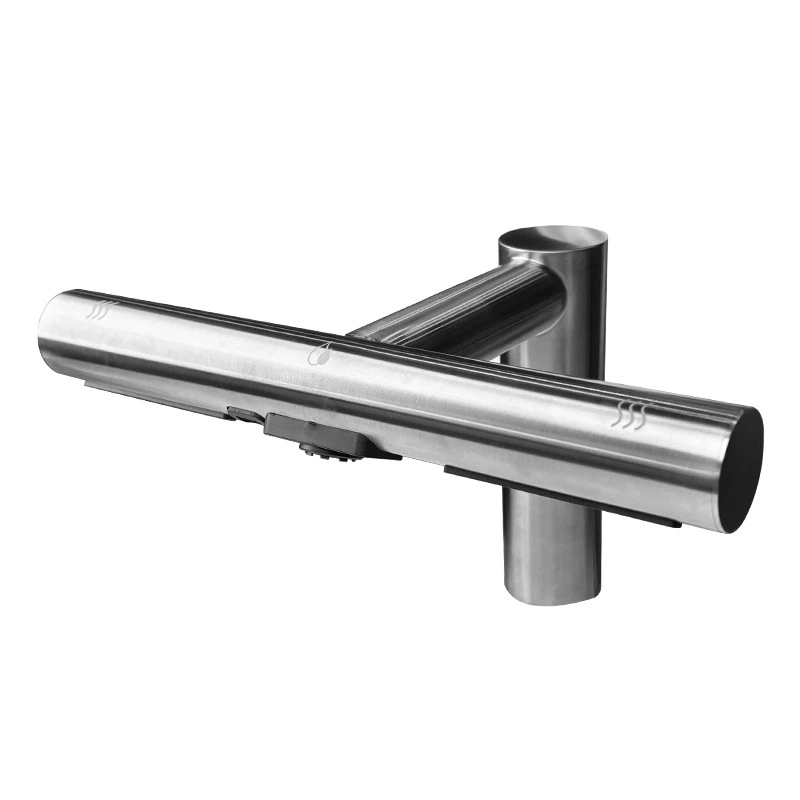
We also offer different models of automatic tap hand dryers, such as the Touchless 2 in 1 Tap Hand Dryer and the Combined Tap Hand Dryer, each with its own unique sensor settings to meet the diverse needs of our customers.
Conclusion: The Significance of Well - Tuned Sensors
In conclusion, the sensitivity of the sensor in an automatic tap hand dryer is a critical factor that affects both user experience and resource management. By carefully considering environmental conditions, installation requirements, and sensor quality, we can ensure that our products provide reliable and efficient performance.
If you are in the market for high - quality automatic tap hand dryers with well - tuned sensors, we invite you to contact us for a procurement discussion. We are happy to provide more information about our products and how they can meet your specific needs.
References
- "Sensor Technology Handbook", third edition by John Wilson and William J. Tompkins.
- Industry reports on automatic hand dryer technology and market trends.