Hey there! I'm a supplier of plastic soap dispensers, and I've been thinking a lot about the environmental impact of these little guys. You know, plastic soap dispensers are everywhere – in our bathrooms, kitchens, and even public places. They're convenient, cost - effective, and come in all sorts of shapes and sizes. But what's the real deal when it comes to their environmental footprint?
Let's start with the production side. Making plastic soap dispensers involves extracting fossil fuels, which are non - renewable resources. The process of turning these fossil fuels into plastic is energy - intensive. A whole bunch of energy is used in refining the raw materials, melting them down, and then molding them into the shape of a soap dispenser. This energy often comes from burning coal, oil, or gas, which releases a ton of greenhouse gases into the atmosphere. These gases trap heat, contributing to global warming and climate change.
Once these plastic soap dispensers are out in the market, they have a long lifespan in terms of durability. That might sound good at first, but it also means that when they eventually reach the end of their useful life, they stick around in the environment for a really long time. Plastic is not biodegradable. It can take hundreds, if not thousands, of years for plastic to break down. Instead of decomposing like organic materials, plastic breaks into smaller and smaller pieces called microplastics.
Microplastics are a huge problem. They end up in our soil, water bodies, and even the air we breathe. In water, they're ingested by fish and other marine life. These tiny plastic particles can cause physical harm to the animals, like blocking their digestive tracts. And it doesn't stop there. When we eat fish that have consumed microplastics, those plastics enter our own bodies. The long - term health effects of microplastics on humans are still being studied, but it's definitely not something we want to mess around with.
Another aspect is the waste management of plastic soap dispensers. A lot of these dispensers end up in landfills. Landfills are often overflowing, and plastic just adds to the problem. Sometimes, plastic waste is incinerated to reduce the volume. But incinerating plastic releases toxic chemicals into the air, such as dioxins and furans. These chemicals are extremely harmful to human health, causing problems ranging from respiratory issues to cancer.
Now, I know what you're thinking. As a plastic soap dispenser supplier, am I just going to sit back and watch this happen? Absolutely not! We're taking steps to make our products more environmentally friendly. For instance, we're looking into using recycled plastic in the production of our soap dispensers. Recycled plastic reduces the demand for virgin plastic, which in turn cuts down on the extraction of fossil fuels.
We're also designing our dispensers to be more easily refillable. Instead of throwing away the whole dispenser when it's empty, users can simply refill it with soap. This reduces the amount of plastic waste generated. And we're constantly researching new materials that are more sustainable than traditional plastics. There are some biodegradable plastics out there, and we're exploring how we can incorporate them into our product line.

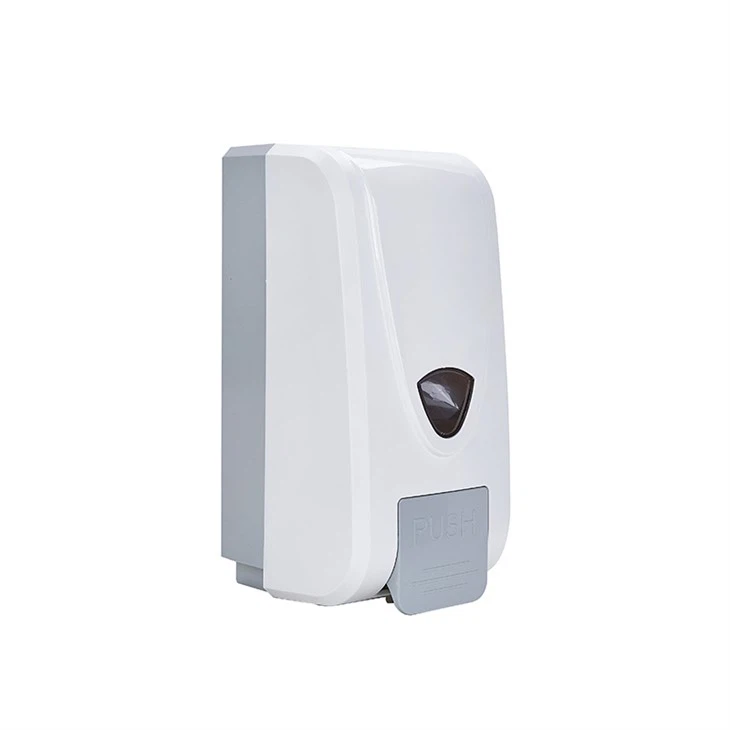
If you're in the market for a plastic soap dispenser, check out our Plastic Bathroom Soap Dispenser. It's a great option that combines functionality with style. And we're committed to making sure that it has as little environmental impact as possible.
I understand that some people might be hesitant about using plastic at all, given its environmental problems. But we believe that with the right steps, we can still use plastic in a more sustainable way. By choosing products like our refillable plastic soap dispensers, you're making a small but important contribution to reducing plastic waste.
We're always looking for ways to improve and be more environmentally responsible. If you have any ideas or suggestions, we'd love to hear from you. Whether you're a retailer looking to stock our products or a consumer interested in making a more sustainable choice, we're here to talk. Reach out to us, and let's start a conversation about how we can work together to reduce the environmental impact of plastic soap dispensers.
In conclusion, while plastic soap dispensers do have a significant environmental impact, there are solutions. Through innovation, recycling, and better design, we can make these products more sustainable. And as consumers, you have the power to make a difference by choosing products that are more eco - friendly. So, let's take action together and make our planet a better place.
References
- "Plastic Pollution: A Global Crisis." National Geographic.
- "The Impact of Microplastics on Marine Life." Marine Conservation Society.
- "Sustainable Plastics: An Overview." Journal of Environmental Science and Technology.